Quirky Facts That Sound Made Up
Narrated in Swedish, English, Norwegian
Read-along text in English, Swedish, Norwegian, Danish, Finnish, German and Spanish.
Narrated in Swedish, English, Norwegian
Read-along text in English, Swedish, Norwegian, Danish, Finnish, German and Spanish.
Did you know that reality is sometimes stranger than any fairy tale? It is true. Every day there are things around us that sound completely impossible, but they are one hundred percent real. Today we are going to look at a collection of facts so strange that you might need to hear them twice. Hold on tight, because the real world is actually more astonishing than anyone could make up.
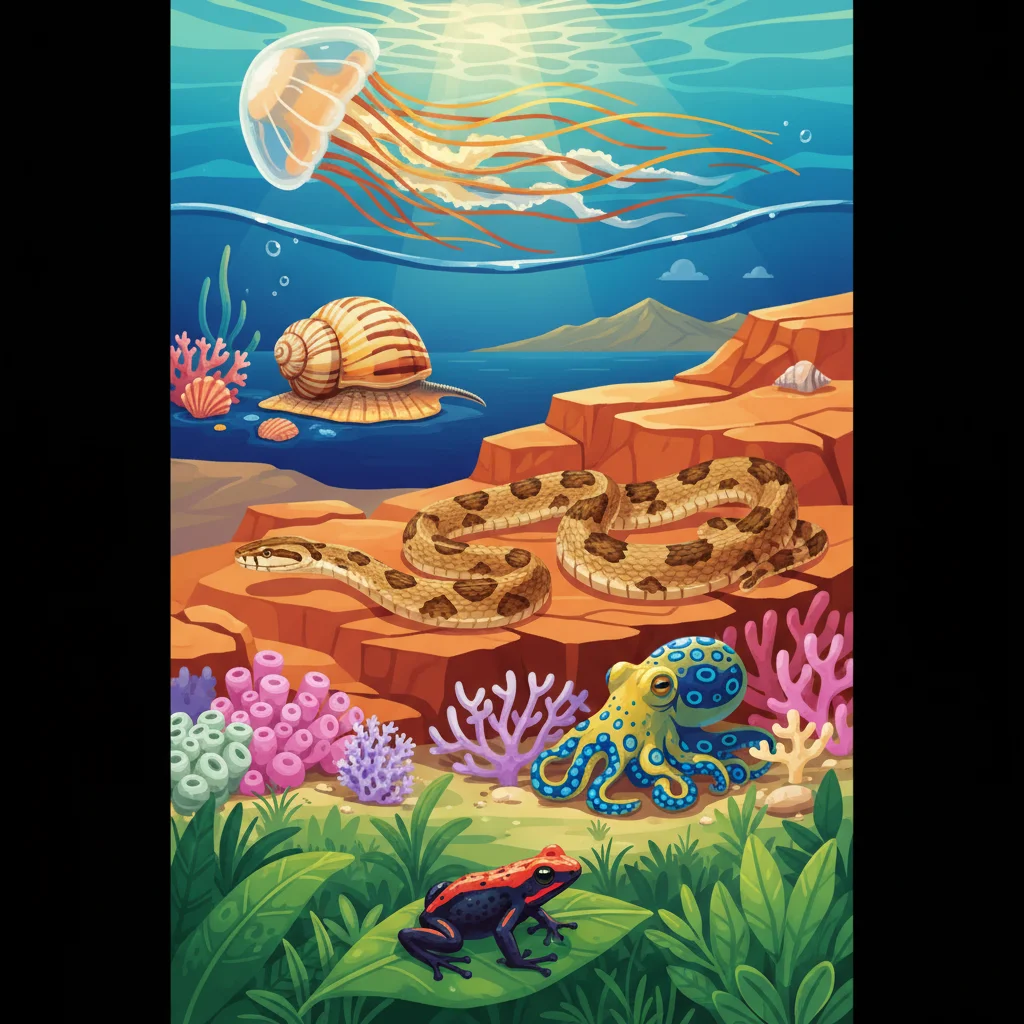
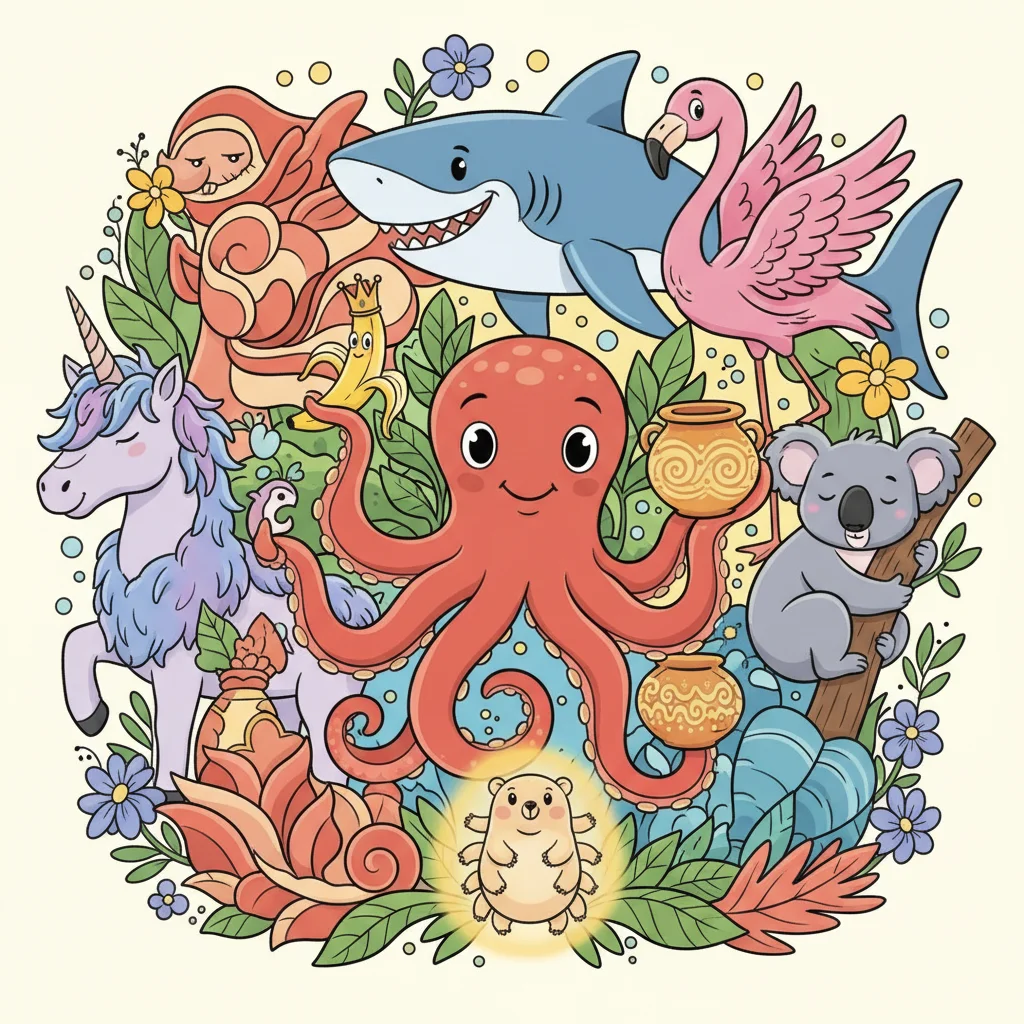
Let us start with the octopus. An octopus has three hearts. Not one heart like us, but three. Two of the hearts pump blood to the gills, and one heart pumps blood to the rest of the body. And here comes the strangest thing of all: an octopus's blood is blue! The blue colour comes from a substance called haemocyanin, which contains copper. In us humans, blood contains iron, and that is what makes it red. Nature has invented several different ways to carry oxygen around the body.
And the octopus is even stranger than that. As well as three hearts and blue blood, an octopus can actually taste with its suckers! Along the octopus's arms there are hundreds of suckers, and each sucker is full of taste cells, much like our tongue. That means when an octopus stretches out an arm and touches something, it knows right away whether it is food or not. It is as if you had your tongue on all your fingertips.
Now let us head to the fruit basket. What do you think a berry actually is? You might think of strawberries, raspberries, and blackberries. But according to botanists, that is, plant scientists, those are not berries at all! A true berry is formed from a flower's seeds and has its seeds inside its fleshy part. A banana meets all of those requirements, and is botanically speaking actually a berry. But the strawberry? It is not a berry, it is technically an aggregate fruit, a kind of false fruit. Reality is oddly described!
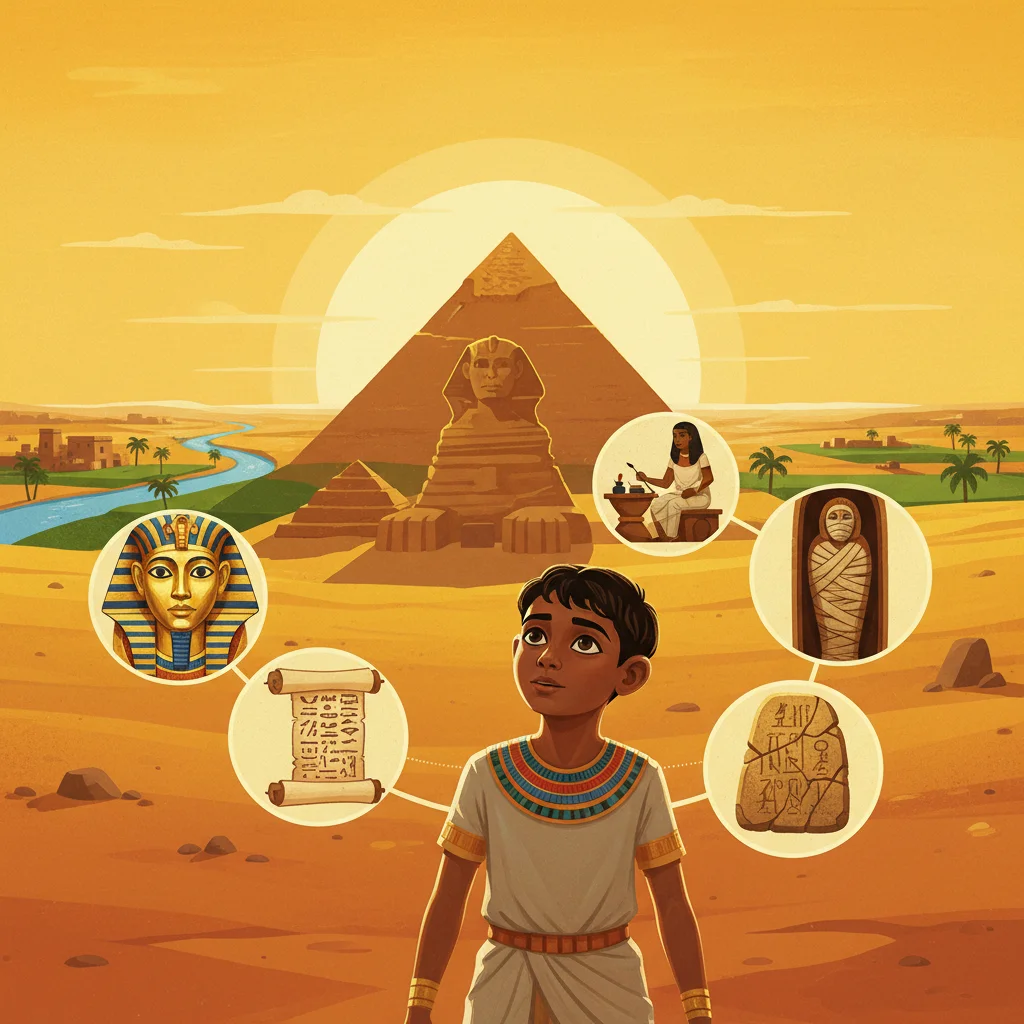
Now to one of history's most astonishing foods, honey. Honey can last for thousands of years without going bad. Archaeologists have found jars of honey in Egyptian tombs that are more than three thousand years old, and the honey was still edible! The secret is that honey is very acidic, very high in sugar, and contains almost no water. Bacteria and mould cannot survive in it. If you store honey in a dry place, it is simply impossible for it to go bad.
Continue the story in Fabeligo, read aloud and illustrated
Listen in the app